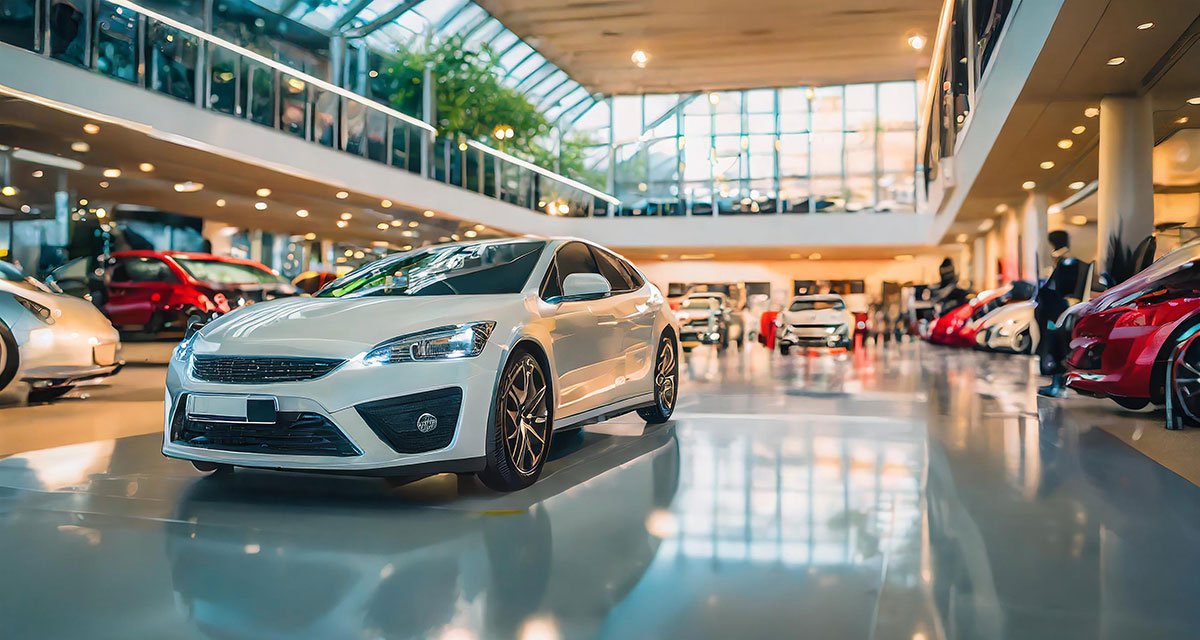
The automotive industry is undergoing one of the most significant transformations in decades. Electric vehicles, or EVs, are no longer a niche segment. They are becoming a mainstream part of the market, and dealerships must adapt to this shift to remain competitive. Over my 35-plus years in the automotive industry, from managing private dealerships to overseeing 22 franchises at AutoNation, I have witnessed the evolution of consumer demand and technology firsthand. Understanding the trends in electric vehicles is critical for dealers who want to succeed today and in the future.
Growing Consumer Interest
One of the most obvious trends in the EV market is growing consumer interest. Buyers are becoming more aware of environmental issues, fuel efficiency, and the long-term cost savings of electric vehicles. Advances in battery technology have improved range and reliability, and governments are offering incentives to encourage EV adoption.
Dealers must recognize that today’s customers are researching EVs online before stepping onto the lot. They are interested in charging infrastructure, performance, and total cost of ownership. Providing clear, accurate information and helping customers navigate these new considerations is essential. Dealerships that educate and guide buyers will be better positioned to capture this growing segment.
Expanding EV Options
The market for electric vehicles is expanding rapidly. Automakers are introducing more models across price points and vehicle types, from compact cars to SUVs and trucks. This variety gives customers more choices and increases the potential for sales, but it also requires dealers to stay informed and adapt their inventory strategies.
Managing EV inventory differs from traditional vehicles. Supply chains can be longer, production schedules vary, and certain high-demand models may be limited. Dealers must plan carefully to ensure they have the right vehicles available to meet local demand. Staying in close contact with manufacturers and leveraging data on market trends is essential for success.
Charging Infrastructure and Education
One of the biggest challenges in selling electric vehicles is customer concern about charging. Many buyers are worried about range and access to charging stations. Dealerships can play a critical role in addressing these concerns by educating customers about home charging options, public charging networks, and the latest advancements in fast-charging technology.
Providing demonstrations, offering resources, and answering questions builds confidence in potential buyers. Dealers that invest in training their sales teams on EV technology and infrastructure are better equipped to guide customers through the decision-making process and close more sales.
Service and Maintenance Considerations
Electric vehicles also present new opportunities and challenges in service and maintenance. EVs have fewer moving parts than internal combustion vehicles, which can mean less routine maintenance, but they require specialized knowledge and equipment. Dealerships must ensure their service teams are trained and equipped to handle EV-specific issues, such as battery diagnostics, software updates, and electric drivetrains.
This investment in training and infrastructure can differentiate a dealership in a competitive market. Customers want assurance that their EV will be supported throughout its lifecycle. Dealerships that provide high-quality service for electric vehicles will build trust and loyalty, which translates into repeat business and referrals.
Leveraging Technology and Data
Data and technology play a crucial role in selling and servicing electric vehicles. Dealers can use analytics to track customer interest, identify trends, and optimize inventory. Software tools can help predict demand for specific EV models, manage pricing, and support marketing efforts targeted at potential buyers.
By leveraging technology, dealers can make smarter decisions about which EVs to stock, how to price them, and how to engage customers effectively. Data-driven approaches also allow dealerships to monitor service needs, schedule maintenance proactively, and provide personalized communication that enhances the overall customer experience.
Marketing and Customer Engagement
Marketing electric vehicles requires a slightly different approach than traditional vehicles. Customers often need more education, reassurance, and support during the buying process. Dealerships should focus on highlighting the benefits of EV ownership, such as lower operating costs, environmental impact, and advanced technology features.
Customer engagement also includes follow-up after the sale. Offering resources on charging, driving tips, and software updates strengthens the relationship and encourages positive word-of-mouth. Dealerships that embrace a consultative, educational approach position themselves as trusted advisors, which is critical in a rapidly evolving market.
Preparing for the Future
The growth of electric vehicles is not a temporary trend; it is the future of automotive retail. Dealers who act now to understand EV technology, train their teams, and adapt their operations will be better positioned for long-term success. This includes investing in charging infrastructure, training service teams, leveraging data, and educating customers.
Those who hesitate risk falling behind as consumer demand and manufacturer priorities shift toward electrification. The dealers who thrive will be the ones who see EVs not as a challenge, but as an opportunity to innovate, differentiate, and grow.
Conclusion
Electric vehicles are changing the automotive landscape in profound ways. From growing consumer interest and expanding model options to charging infrastructure, service considerations, and technology-driven sales, dealerships must adapt to succeed. Throughout my career, I have learned that staying informed, investing in people and systems, and focusing on the customer experience are the keys to long-term success.
By embracing the trends in electric vehicles, dealers can not only meet the needs of today’s customers but also position themselves for growth in the future. EVs represent both a challenge and an opportunity, and dealerships that are proactive, knowledgeable, and customer-focused will be the ones driving success in this new era of automotive retail.