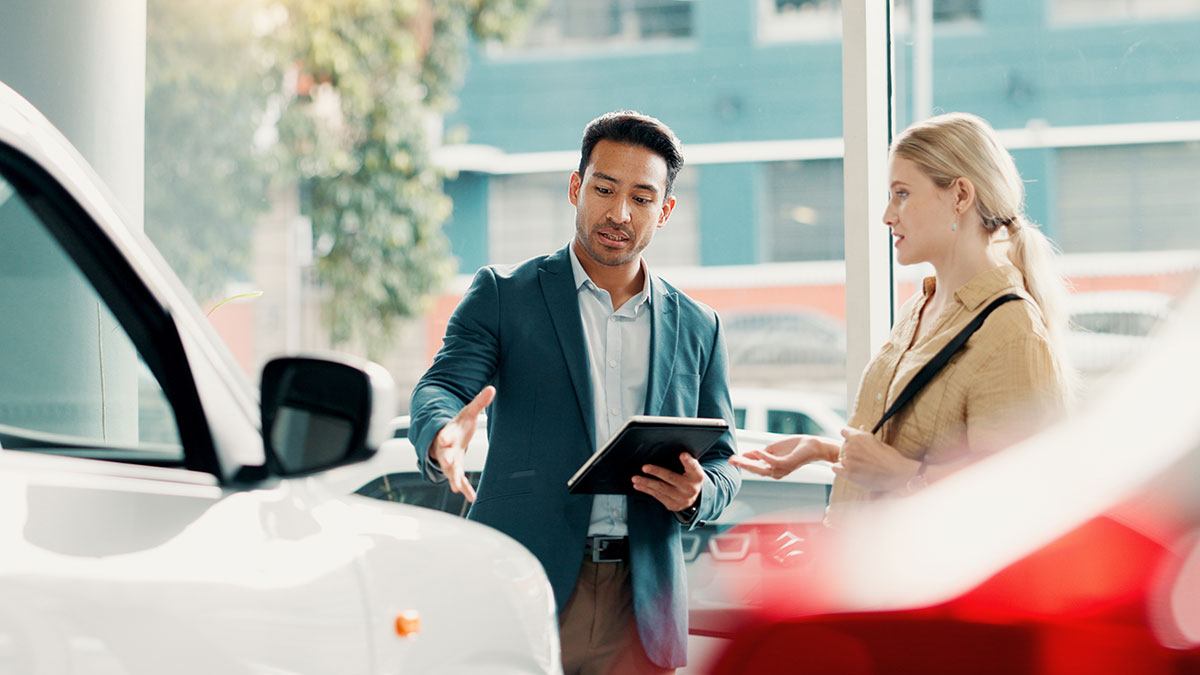
When I first entered the automotive business, customer relationships were built almost entirely face to face. A handshake, a conversation on the showroom floor, and a follow up phone call were the foundation of trust. While those elements still matter, technology has fundamentally changed how relationships are formed, managed, and sustained in car sales today.
Over my career, I have watched technology evolve from basic customer lists to sophisticated platforms that track behavior, preferences, and engagement across multiple channels. When used correctly, technology does not replace relationships. It strengthens them.
The Modern Car Buyer Has Changed
Today’s car buyer is more informed than ever. Customers research vehicles online, compare pricing, read reviews, and often narrow their choices before ever setting foot in a dealership. By the time they arrive, they expect transparency, speed, and expertise.
Technology allows dealerships to meet these expectations. Digital retail tools, customer relationship management systems, and online communication platforms help sales teams understand what the customer already knows and what they still need. This leads to more meaningful conversations instead of starting from scratch.
Data Creates Better Conversations
One of the biggest advantages technology brings to customer relationships is access to data. Sales teams can see a customer’s browsing history, previous purchases, service records, and communication preferences.
This information allows conversations to feel personal rather than transactional. Instead of generic pitches, sales professionals can tailor discussions to the customer’s interests and needs. When customers feel understood, trust grows.
Data also helps dealerships stay consistent. Whether a customer contacts the store online, by phone, or in person, the experience remains seamless because the information follows them.
Communication Beyond the Showroom
Technology has expanded the ways dealerships communicate with customers. Email, text messaging, online chat, and video calls now complement in person interactions. This flexibility allows customers to engage on their terms.
For many buyers, convenience matters as much as price. Being able to ask questions, receive updates, and review options without visiting the dealership saves time and reduces stress. Technology makes this possible while still maintaining a personal connection.
The key is balance. Technology should support communication, not overwhelm it. Thoughtful outreach strengthens relationships while excessive messaging can push customers away.
Building Trust Through Transparency
Transparency is essential in car sales, and technology helps support it. Digital pricing tools, vehicle history reports, and online financing options give customers access to information they once had to request.
When dealerships share information openly, it removes suspicion and builds confidence. Customers appreciate knowing what to expect before they arrive. This transparency shortens the sales process and improves satisfaction.
Technology also allows customers to revisit information at their own pace. This empowers them to make informed decisions and reinforces trust in the dealership.
Personalization at Scale
For multi-location operations, maintaining personalized relationships can be challenging. Technology makes it possible to deliver personalization at scale.
Automated systems can send tailored follow ups, service reminders, and relevant offers based on customer behavior. While automation is involved, the message still feels personal when it is timely and relevant.
Personalization does not mean removing the human touch. It means using technology to enhance it. Sales professionals still play a critical role in building rapport and guiding decisions.
Strengthening Relationships After the Sale
Customer relationships do not end when the vehicle is delivered. In many ways, that is when the relationship truly begins.
Technology helps dealerships stay connected through service scheduling, maintenance reminders, and satisfaction surveys. These touchpoints keep the dealership top of mind and encourage repeat business.
Customers who feel supported after the sale are more likely to return for service and future purchases. They are also more likely to recommend the dealership to others. Technology enables consistent follow through that strengthens long term loyalty.
Training Teams to Use Technology Effectively
Technology alone does not build relationships. People do. The most advanced systems are only effective when teams know how to use them properly.
Training is essential. Sales and service teams must understand how to access information, interpret data, and apply it in conversations. They also need guidance on when to use technology and when to rely on personal interaction.
When technology is integrated into daily workflows naturally, it becomes a tool that supports relationships instead of complicating them.
Avoiding the Pitfalls of Over Automation
While technology offers many benefits, it also carries risks. Over automation can make interactions feel impersonal. Customers can tell when messages are generic or poorly timed.
Successful dealerships use technology thoughtfully. Automation handles routine tasks, while people focus on relationship building. This balance ensures efficiency without sacrificing authenticity.
Listening to customer feedback is critical. Technology should evolve based on how customers respond, not just on what the software can do.
Looking Ahead
Technology will continue to shape customer relationships in automotive retail. Artificial intelligence, advanced analytics, and digital retail experiences will become more common. The dealerships that succeed will be those that embrace innovation while staying grounded in human connection.
The goal is not to replace relationships with technology. It is to use technology to support trust, communication, and understanding.
Conclusion
Technology has transformed how customer relationships are built in car sales. It has changed how customers research, communicate, and make decisions. When used correctly, it enhances transparency, personalization, and long term engagement.
Throughout my career, I have learned that relationships remain the foundation of automotive success. Technology is simply a powerful tool that helps us build those relationships more effectively.
Dealerships that combine strong people, smart processes, and thoughtful use of technology will continue to earn customer trust and loyalty in an increasingly digital world.