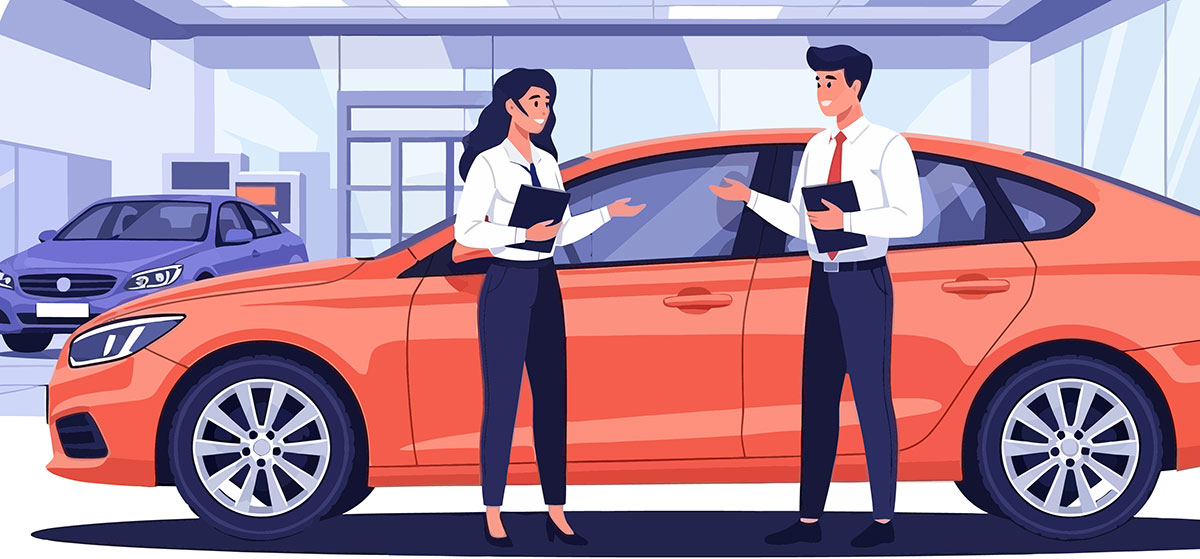
Over the course of my career in automotive retail, I have had the opportunity to lead and work within multi-location dealership networks of varying size and complexity. One lesson that has remained constant is that culture is the foundation of consistency. You can have strong processes, advanced technology, and experienced leadership, but without a unified culture, it becomes difficult to deliver the same level of performance and customer experience across multiple locations.
Culture is what connects people to a shared purpose. In multi-location operations, it becomes the thread that ties together different teams, markets, and leadership styles. When culture is strong and clearly defined, consistency follows. When it is weak or unclear, inconsistency shows up quickly in customer experience, employee performance, and overall results.
Defining Culture at Scale
In a single dealership, culture can often develop organically based on leadership style and team dynamics. In multi-location operations, however, culture must be intentionally defined and reinforced. It cannot be left to chance.
For me, culture in automotive retail is built on a few core principles. These include accountability, customer focus, teamwork, integrity, and continuous improvement. These values guide decision making at every level of the organization. When everyone understands what the organization stands for, it becomes easier to make consistent decisions across different locations.
Defining culture clearly is the first step. The next step is ensuring it is communicated and lived every day.
Leadership Sets the Tone
Culture starts with leadership. In multi-location operations, general managers and department leaders play a critical role in shaping how culture is experienced at each store. Their actions, communication style, and priorities directly influence their teams.
When leaders consistently model the desired culture, employees follow. If leaders emphasize customer satisfaction, accountability, and teamwork, those values become part of daily operations. If leadership is inconsistent or disconnected, culture becomes fragmented across locations.
One of the most important responsibilities of senior leadership is selecting and developing managers who align with the organization’s cultural values. Hiring the right leaders ensures that culture is reinforced, not diluted, as the organization grows.
Creating Consistent Processes Without Losing Identity
Processes are essential for operational consistency, but they are most effective when supported by strong culture. Standard operating procedures, reporting systems, and performance metrics help ensure that each location operates efficiently. However, processes alone cannot create consistency in customer experience or employee engagement.
Culture brings meaning to processes. When employees understand why certain procedures exist and how they contribute to the customer experience, they are more likely to follow them consistently.
At the same time, it is important not to create a rigid environment where local identity is lost. Each dealership operates in a unique market with different customer expectations. Culture provides the foundation, while processes provide structure. The balance of both creates consistency without limiting flexibility.
Communication Across Locations
Communication is one of the most important tools for maintaining culture in multi-location operations. Without clear and consistent communication, teams can become isolated and disconnected from the broader organization.
Regular leadership meetings, performance updates, and company communications help reinforce shared goals and values. When employees understand what is happening across the organization, they feel more connected and engaged.
It is also important to communicate success stories from different locations. Highlighting achievements reinforces positive behavior and shows that culture is being lived consistently across the network.
Training and Onboarding
Training plays a major role in embedding culture into every location. New employees should not only learn job responsibilities but also understand the values and expectations of the organization.
Onboarding programs that emphasize culture help set the tone from day one. When employees understand what the organization stands for, they are more likely to adopt those values in their daily work.
Ongoing training reinforces culture over time. Leadership development programs, customer service training, and operational education all contribute to maintaining consistency across locations.
Accountability and Performance Standards
Culture and accountability are closely linked. In multi-location operations, clear performance standards help ensure that culture is not just a set of ideas but something that is actively measured and reinforced.
When expectations are clearly defined and tracked, employees understand what success looks like. This creates alignment across locations and reduces variability in performance.
Accountability should be consistent but also fair. Leaders must provide support, feedback, and coaching to help teams meet expectations. When accountability is paired with development, it strengthens culture rather than weakening it.
Recognizing and Reinforcing Culture
Recognition is a powerful tool for reinforcing culture. When employees and teams demonstrate behaviors that align with organizational values, those actions should be acknowledged and celebrated.
Recognition does not always need to be formal. Simple acknowledgment from leadership, public recognition in meetings, or sharing success stories across the organization can have a strong impact.
When employees see that cultural alignment is valued and rewarded, they are more likely to continue demonstrating those behaviors. Over time, this creates a self-reinforcing cycle of consistency.
Adapting While Staying Aligned
Multi-location operations must be able to adapt to different markets, customer preferences, and local conditions. However, adaptation should not come at the expense of cultural consistency.
The strongest organizations are those that maintain core values while allowing flexibility in execution. Culture provides the foundation that ensures all locations are moving in the same direction, even if the path looks slightly different.
This balance allows organizations to grow while maintaining identity and consistency across all locations.
Conclusion
Culture is the most important driver of consistency in multi-location operations. It influences how employees behave, how leaders make decisions, and how customers experience the business. Without a strong culture, even the best processes and systems will fall short.
Throughout my career, I have seen that organizations with clearly defined, well-communicated, and consistently reinforced cultures outperform those that rely solely on structure or technology. Culture creates alignment, builds trust, and ensures that every location delivers a similar level of excellence.
When leadership prioritizes culture, invests in people, and reinforces shared values, consistency becomes a natural outcome. In multi-location automotive operations, culture is not just part of the business. It is the foundation that holds everything together and drives long-term success.